Proven impact across industries
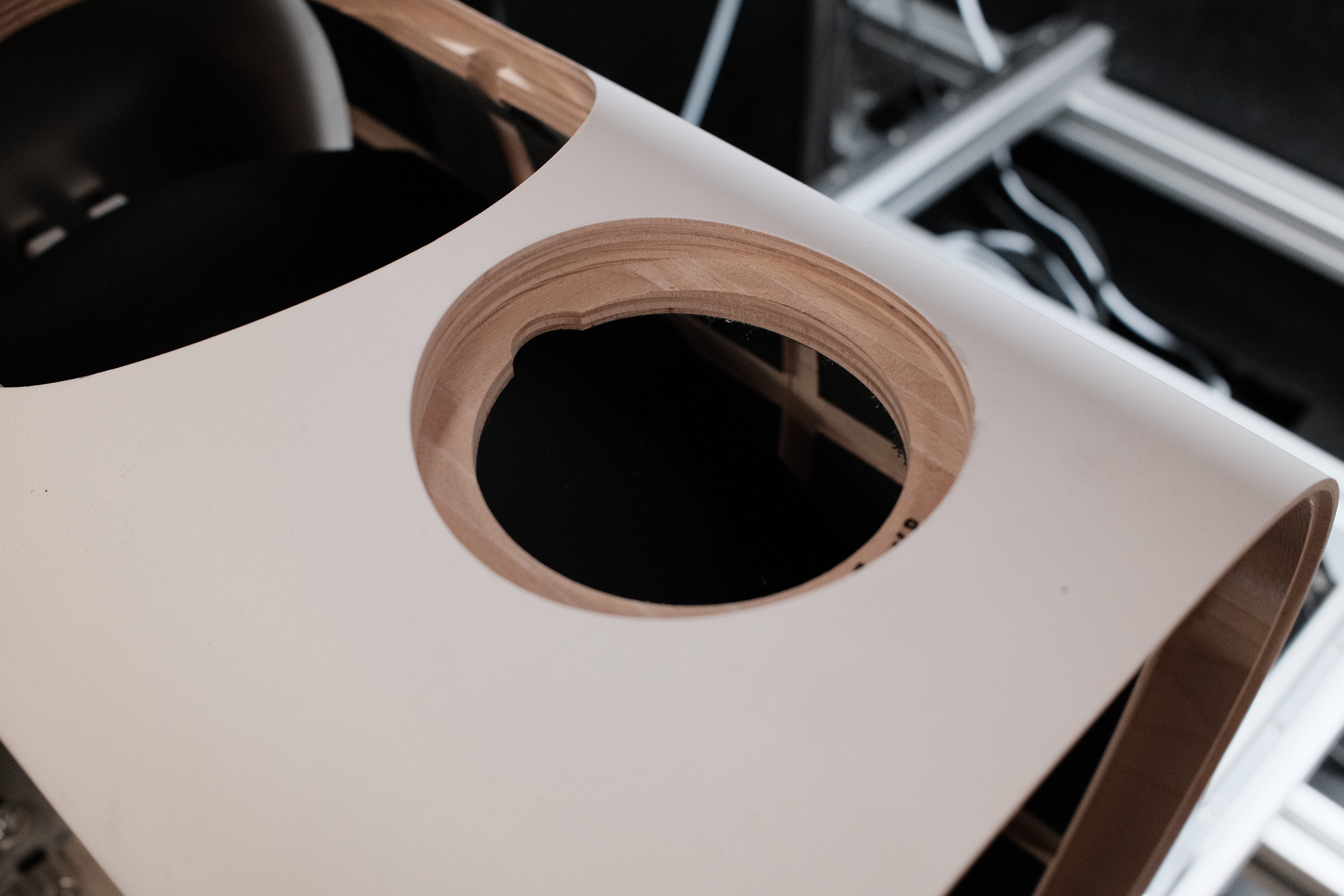
A premium consumer electronics manufacturer replaced manual calipers with Matta Gauge. One pilot station became the inspection standard across all production lines — with no MES, SCADA, or PLC integration required.

Operators hand-measured wooden housings with digital callipers: 13 dimensions, 20 minutes per part, with variance too high for reliable SPC. Errors surfaced only at final assembly, scrapping parts at their highest point of added value.
Past automation attempts stalled: legacy vision needed rigid fixturing the line couldn't support, and connecting AI to the existing MES and PLCs was a multi-quarter IT effort. Leadership needed a system that worked with the factory as it stood.


Matta deployed in days, not quarters. Standard industrial cameras mounted above the existing workstation watch parts the way an operator would, with no fixturing, no PLC integration, no MES connection.
Gauge captures and checks 12 dimensions in 10 seconds against the part technical specification. Every measurement flows into a continuous, part-by-part record, real-time SPC, predictive wear alerts, and a queryable history of every part produced.
What began as a single pilot station is now being rolled out across all production lines. Inspection time fell from 20 minutes to 10 seconds per part at 50μm precision against a 200μm tolerance, surpassing human gauge R&R standards and removing operator subjectivity entirely.
The system has run at line speed since go-live, so inspection capacity is no longer a constraint on throughput. The team now uses the measurement record to make upstream tooling decisions once based on tribal knowledge.
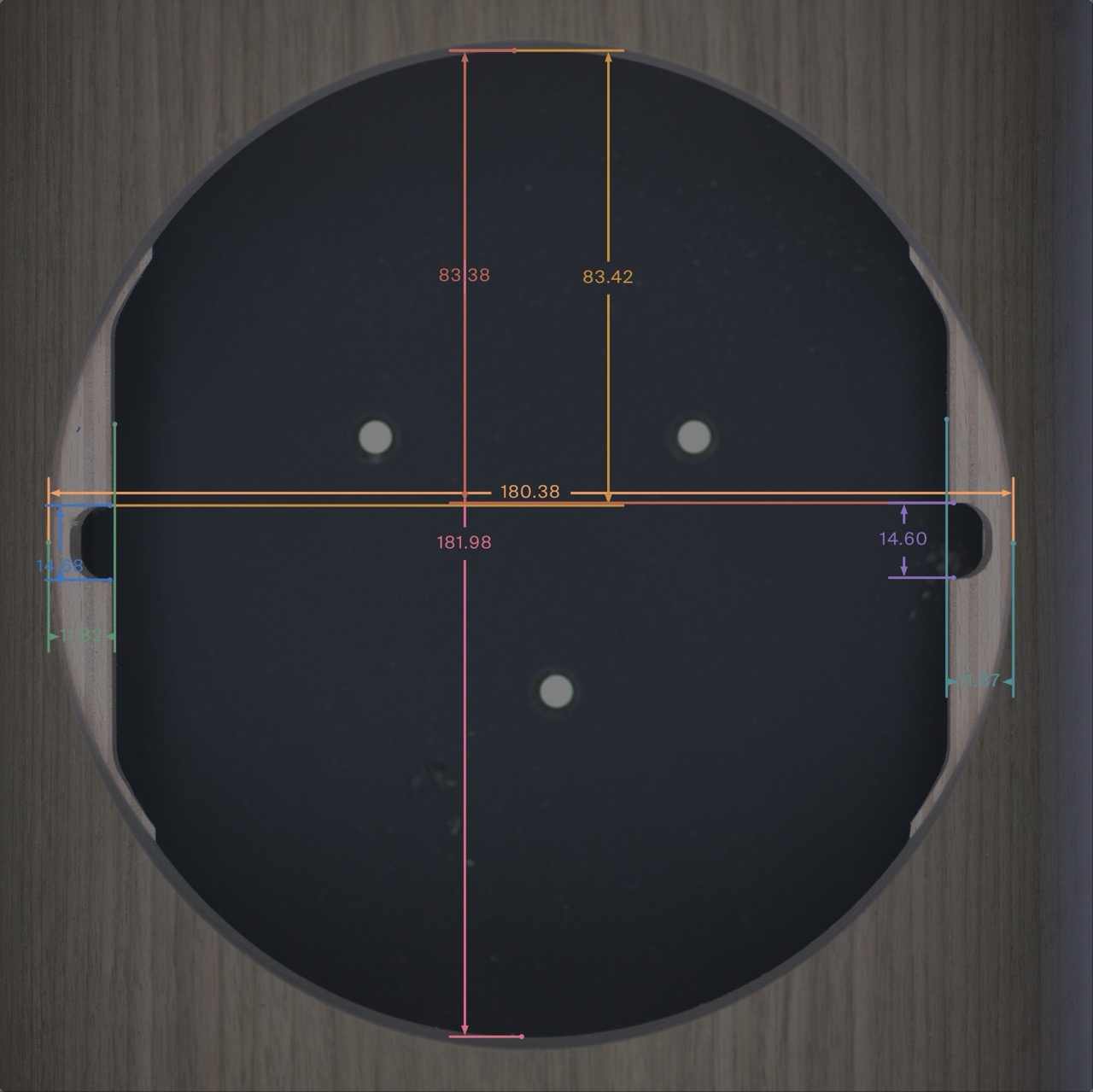

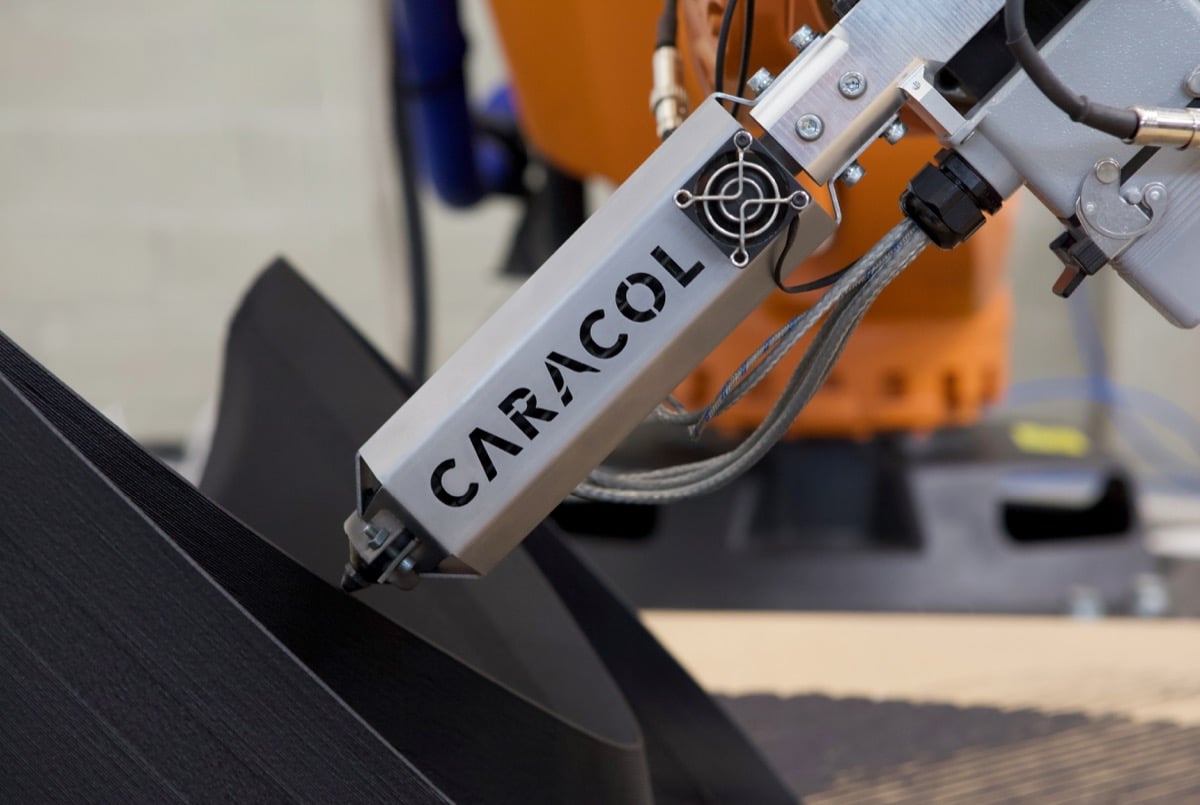
Matta partnered with Caracol AM to embed AI error detection and real-time process control into their large-format robotic 3D printing systems. Every part produced now carries a complete visual quality record. Every print self-corrects in real time.

Large-format polymer extrusion runs for hours or days, using hundreds of kilograms of material on multi-axis robots moving through constantly changing geometry. A single undetected defect, porosity, over-extrusion, poor adhesion, thermal drift, can ruin a part deep into its value-add.
Caracol's customers needed more than a printer that made good parts. They needed one that could prove every part was good, and correct itself in real time when something went wrong.
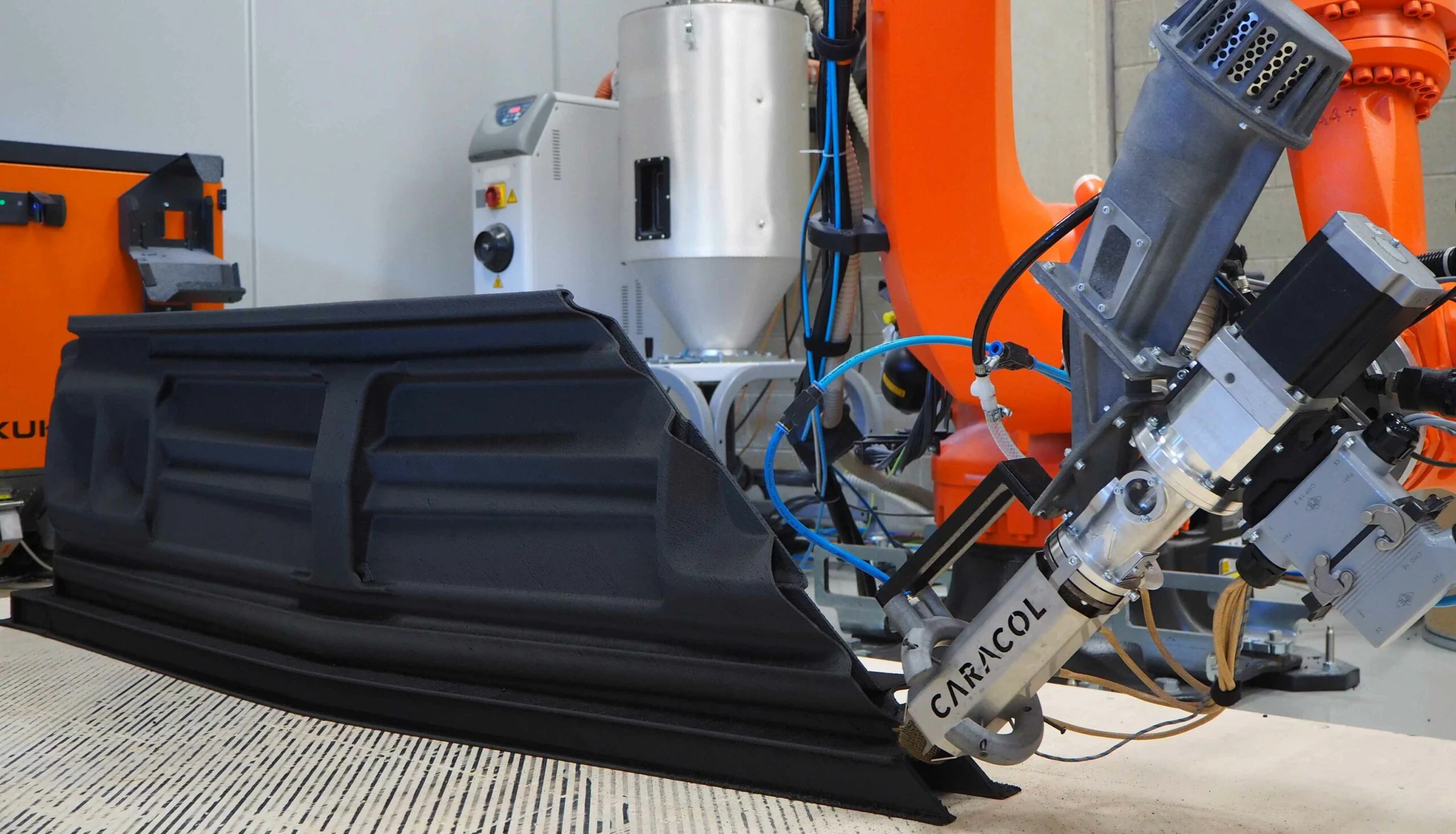
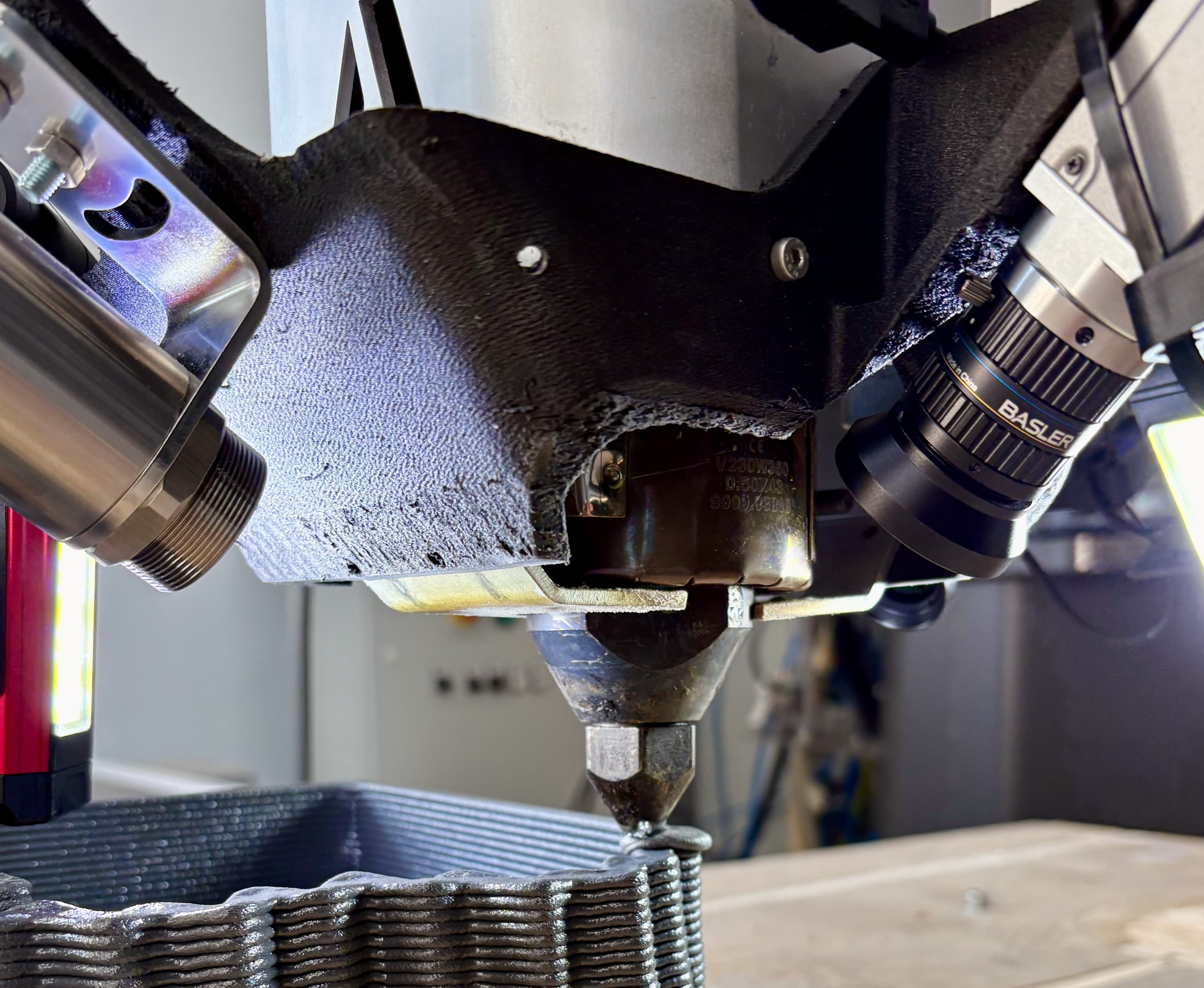
Matta integrates directly into Caracol's robotic platform using off-the-shelf visible-light and infrared cameras on the print head, watching every layer for anomalies in geometry, surface finish, thermal profile, and material flow.
Each prediction maps to its exact location, building a digital twin and quality record. Where most systems stop at detection, Matta predicts root cause and sends corrections back mid-print, fixing issues before the next layer.
Caracol customers now produce parts with a guaranteed visual quality record: every layer, every part, every machine. Print failures that once meant scrap now self-correct mid-build, and consistency between machines and sites can be measured rather than assumed.
Manual post-print inspection time has collapsed, since inspection happens as the part is made. For Caracol, AI quality assurance becomes a standard platform feature rather than a third-party retrofit.
Contact us
77 East Road, London, N1 6AH, UK